
Technology
Can Robots Read the Room?
Intelligence in a world without perfect instructions
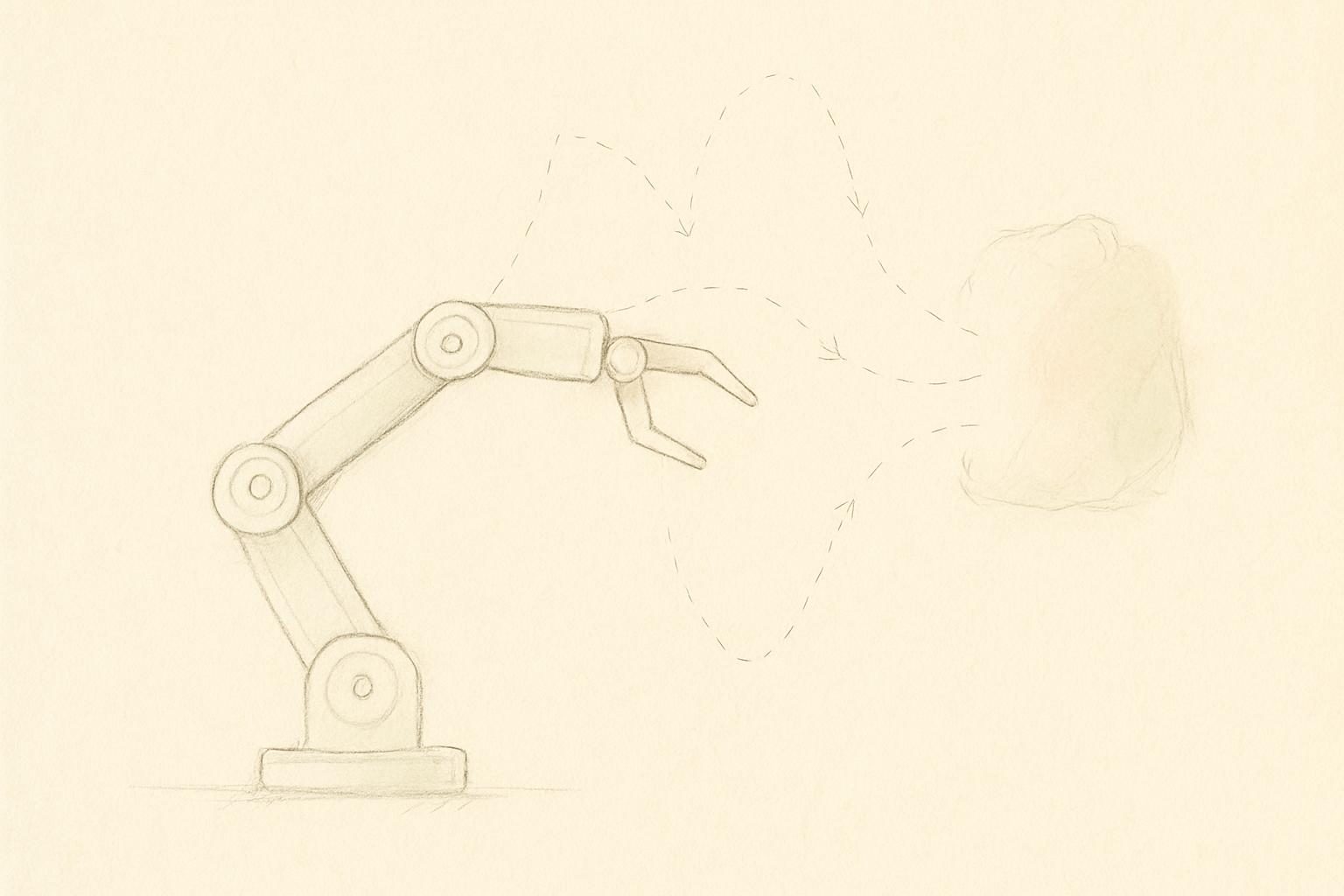
Machines that only follow instructions belong to an older model. Robotics now tackles acting without knowing, quietly illuminating the human practice of sensing what is left unsaid.
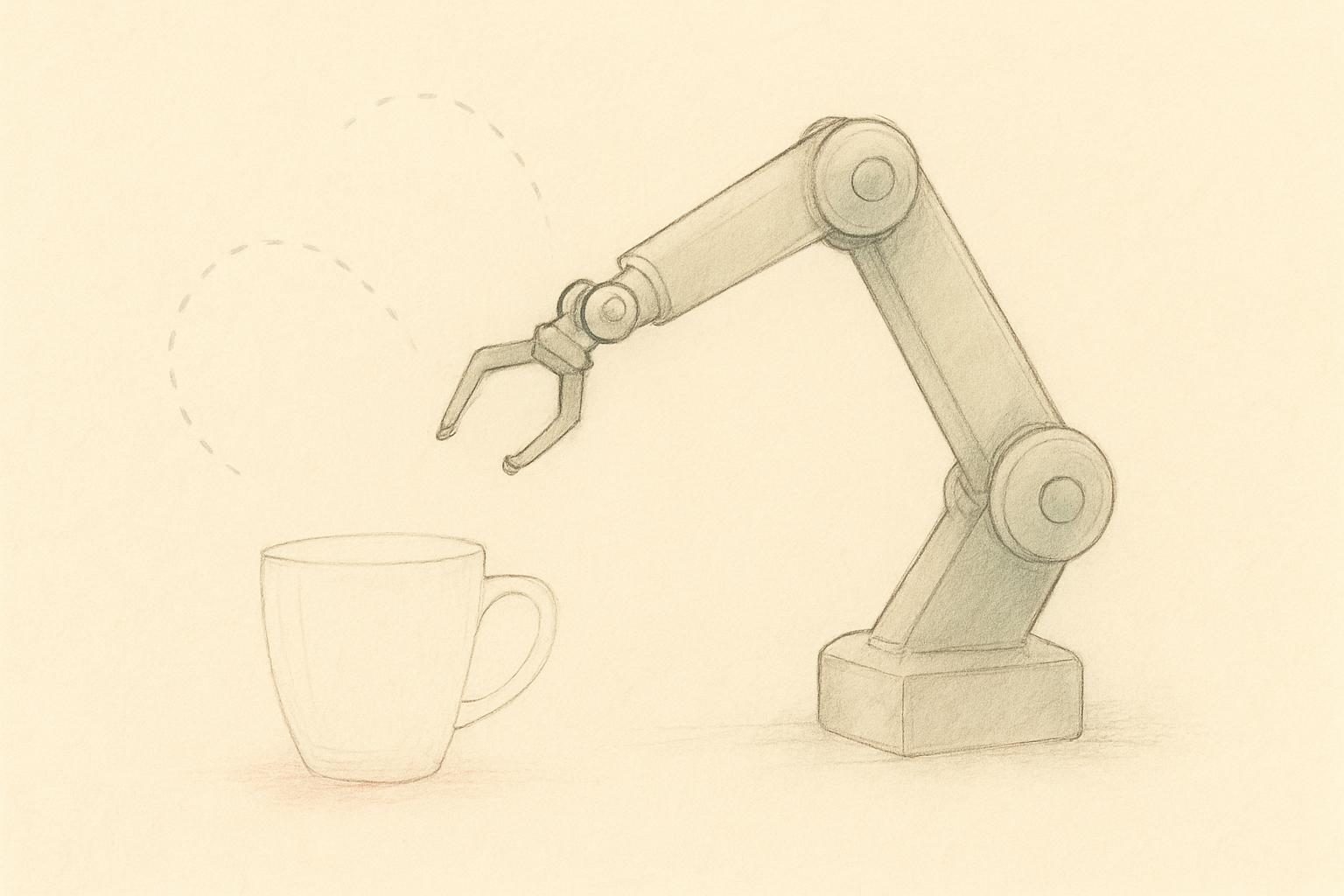
Factory robot arms long inhabited a perfect world. Parts were positioned to the millimetre, lighting stayed constant and unexpected events were assumed away. That permitted precise, rapid movement. Conversely, the slightest change could leave a robot unable to act.
Over roughly the past decade, research has shifted. Retrieving an unseen object behind a shelf, using an unfamiliar tool or accepting something a person offers with few words: complete information does not exist in such situations. Robots must choose plausible actions despite not knowing. This is decision-making under uncertainty: probabilistic reasoning estimates what may happen and selects the most rational next move.
Interestingly, this inference is beginning to count as evidence of robotic intelligence. A machine that acknowledges what it does not know and acts anyway is more useful in the real world than one that supposedly knows everything. This is a technical change, but also a quiet answer to the question of intelligence.
Consider people again. We live much of daily life through inference: reading mood from a face, intent from a pause and the weight of what was not said. Japanese expressions for reading the atmosphere and unspoken coordination retain traces of a culture treating ambiguity as a condition of communication rather than a defect. The space between people in a tea room and what a letter leaves unsaid grow from similar roots.
We should nevertheless be cautious about equating robotic inference with human anticipation. A robot's action without knowing is calculated from probability distributions and sensors. Human sensing includes the history of a relationship, bodily experience and sometimes fear of error. The resemblance concerns outward behaviour. Nobody can yet say that their inner processes are the same.
Still, the resemblance merits thought. If machines can incorporate not-knowing into design, human sensing may be describable as structured behaviour rather than a mysterious black box. That need not diminish its beauty. It may instead clarify its outlines.
Acting without perfect instructions is not weakness, but an ability to accommodate an uncertain world. Humane technology might mean less a machine imitating people than one able, like people, to accept not-knowing. Watching robots gradually learn to infer reminds us of how we understand one another.
FAQ
- What does it mean for a robot to infer?
- It makes probabilistic estimates from incomplete sensor information and chooses what seems the most rational action. It can act without grasping everything precisely.
- Is robotic inference the same as human sensing?
- Their behaviour may look similar, but they cannot be equated. Human sensing also includes relational and emotional histories, unlike calculation alone.
ABC Editorial Team
Editorial team