Connections
Finding a Book You Were Not Looking For
Library shelves and search algorithms take opposite approaches to discovery
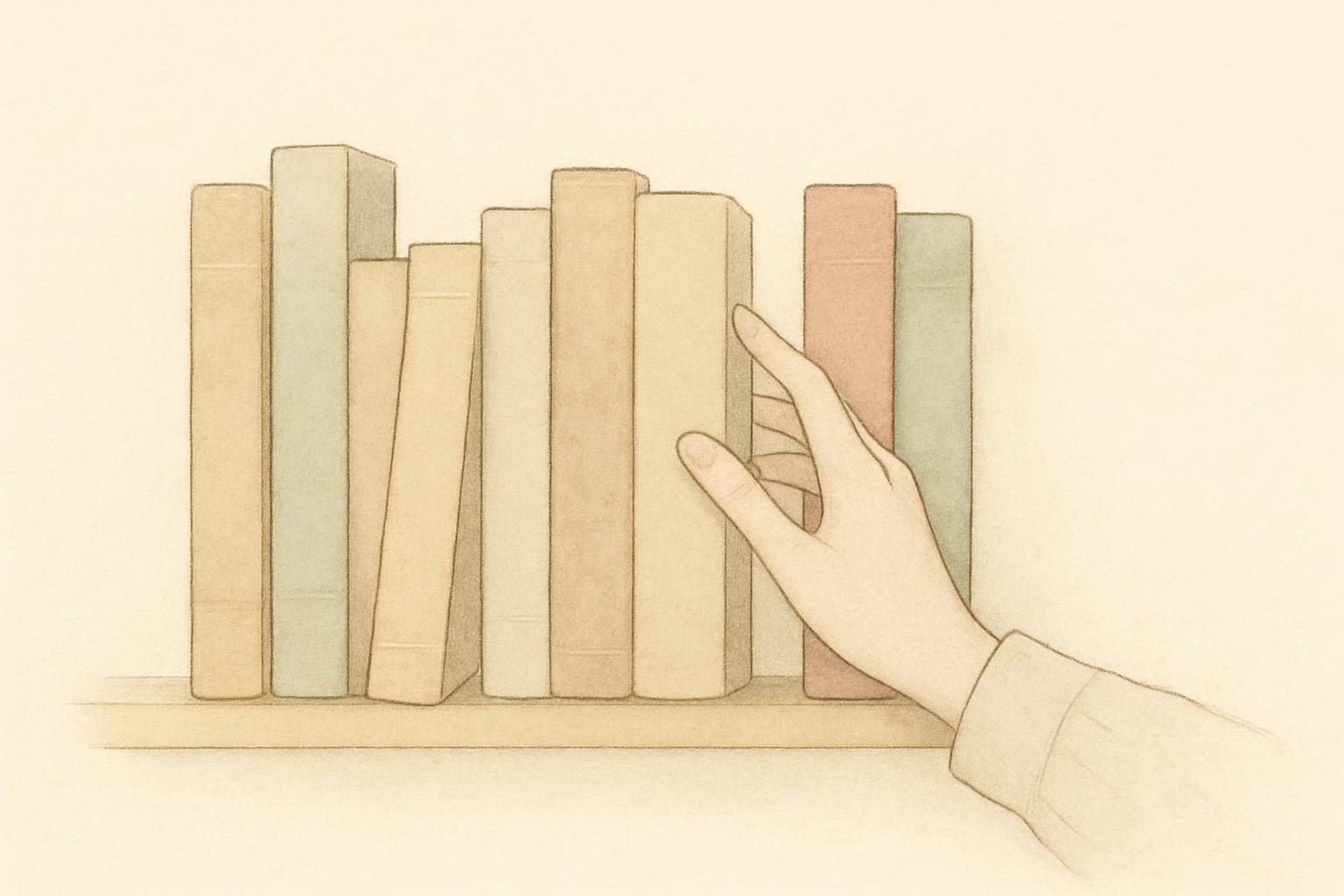
Have you ever gone to a library for one book and come home with the one beside it?
Have you ever gone to a library for one book and come home with the one beside it? What seems like chance is actually a product of design.
Library classification systems, such as the Dewey Decimal Classification, place books on related subjects physically close together. When you seek a particular volume, its neighbours include books you did not yet know. Classification was both a tool for finding books and a mechanism for encountering those you were not looking for. The time spent walking along a shelf was part of the design.
Search engines offer the opposite kind of kindness. Enter a question and they deliver something resembling an answer by the shortest route. No walking along shelves, no wasted steps. Measured by efficiency, this is an extraordinary advance. Indeed, we can scarcely imagine research without that speed now.
This is not a claim that one is better. Classified shelves are also constrained by the worldview of those who devised the classification. Countless things would have remained beyond our reach without search. Yet the room for encountering what we were not seeking quietly shrinks if we neglect it. When we always take the shortest route, we may never know what lay next door.
That is why I sometimes want to walk along the shelves, keeping a little time without a purpose. What connects the dots is often not the book we intended to find. It is the one that happened to stand beside it that day, the one we picked up for no particular reason.
ABC Editorial Team
Editorial team