
Compass
Does Time Move in a Straight Line?
How the Maya saw the world through cycles of time
A calendar is more than a sequence of dates. It quietly reveals what a civilization thought time was.
A calendar is more than a sequence of dates. It quietly reveals what a civilization thought time was.
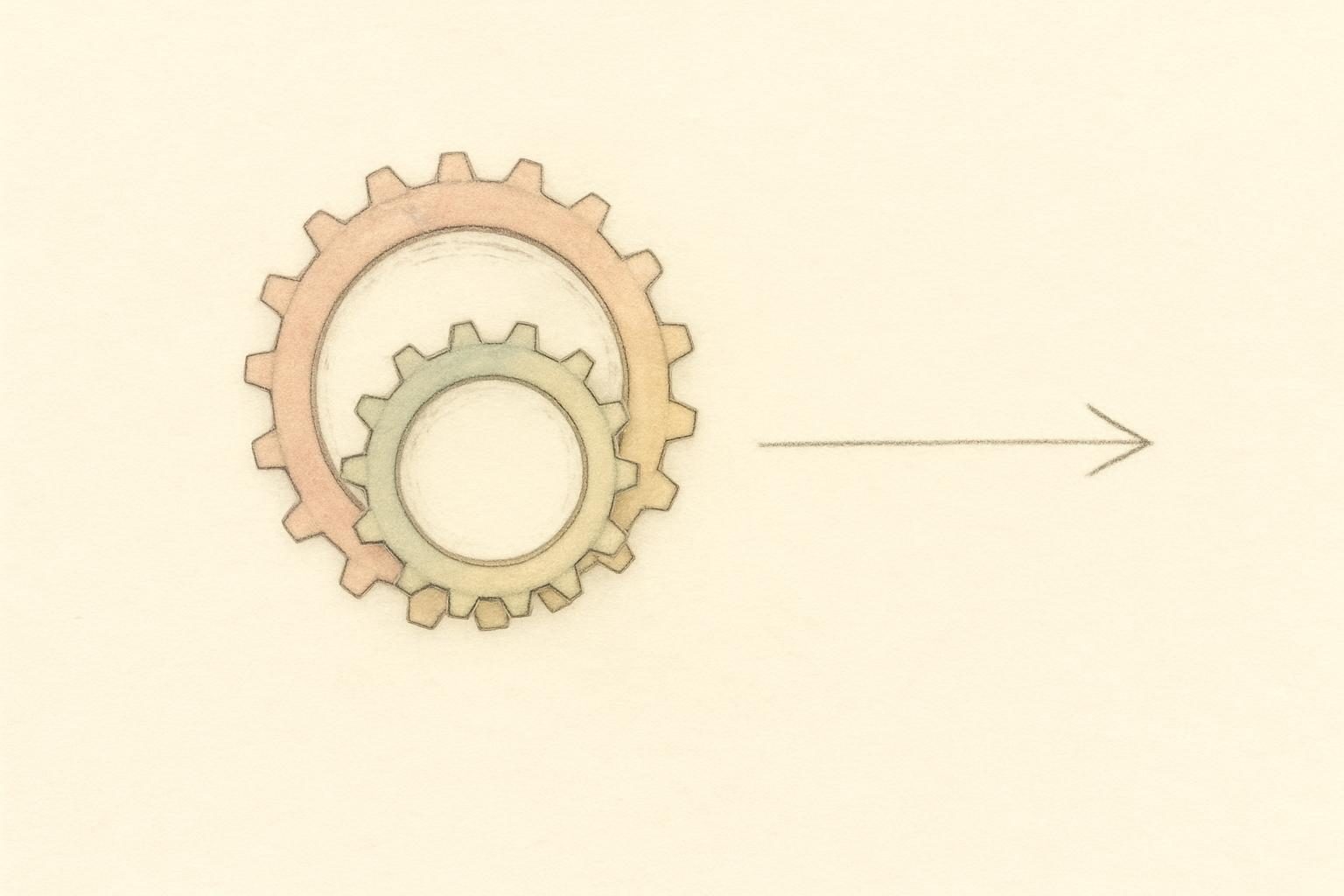
We imagine time as a straight line: an arrow moving one way, from past to future. We count birthdays, approach deadlines and grow older. But the time the Maya inhabited was a circle rather than a line.
Several Maya calendars operated together: a 260-day cycle and a 365-day cycle. Like interlocking gears, they eventually returned to the same arrangement. Time was not something to use up and lose. It revolved and returned.
In 2012, the claim that the Maya calendar's end meant the end of the world caused a global stir. It was a misreading. One great cycle had ended; another had simply begun. Cyclical time has no final apocalypse. We might do well to keep a quiet distance from sensational claims.
Linear time urges us forward. Cyclical time places us within a recurring rhythm. This is not about declaring one right and the other wrong. But looking at the world through a different calendar can make pausing seem less like falling behind and more like part of a cycle. The Maya calendar offers that question, rather than a prophecy.
ABC Editorial Team
Editorial team