
Compass
The People Who Found Meaning in Numbers
From Pythagoras to us: the ancient habit of numerology
Numbers are, in principle, simply tools for counting quantities. Yet people have long found meaning in them.
Numbers are, in principle, simply tools for counting quantities. Three apples, four chairs. They contain neither good nor evil, happiness nor misfortune. Yet people have long found meaning in numbers.
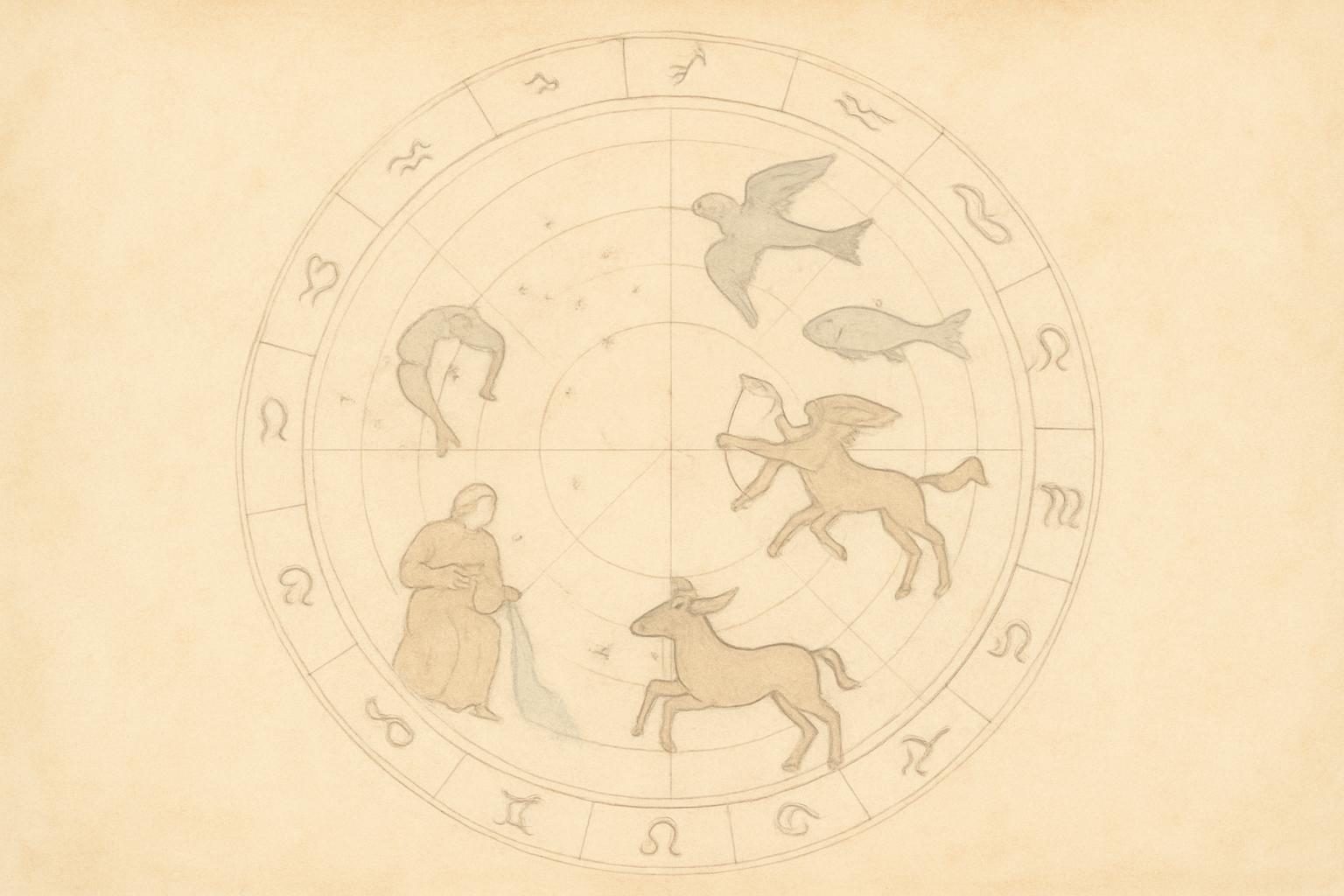
In the sixth century BCE, Pythagoras and his followers believed that all things were number. Musical pitch and the movement of the stars could be explained through numerical ratios. For them, numbers were a language for reading the world. A distant source of numerology lies in this intuition that numbers reflect the world's order.
What is interesting is how the meanings attached to numbers differ between cultures. Thirteen is feared in the West; four and nine are avoided in Japan; eight is favoured in China. The same number can be fortunate or unlucky depending on the place. Meaning resides not in the number itself, but in the people looking at it.
Judging numerology solely by whether it predicts correctly may therefore frame the wrong question. The digits in your birth date do not determine your destiny. What may matter is what you think when you use them as a starting point for looking at yourself again.
Numbers are mirrors. They may appear to be cold symbols, yet people have long reflected their own stories in them. The next time someone speaks of 'your number', before asking whether the prediction is right, we might ask why people are so eager to entrust numbers with meaning. That is a question we can live with much longer.
ABC Editorial Team
Editorial team