World
The Art of Welcoming
From Venice to Barcelona, between wanting visitors and wanting to live there
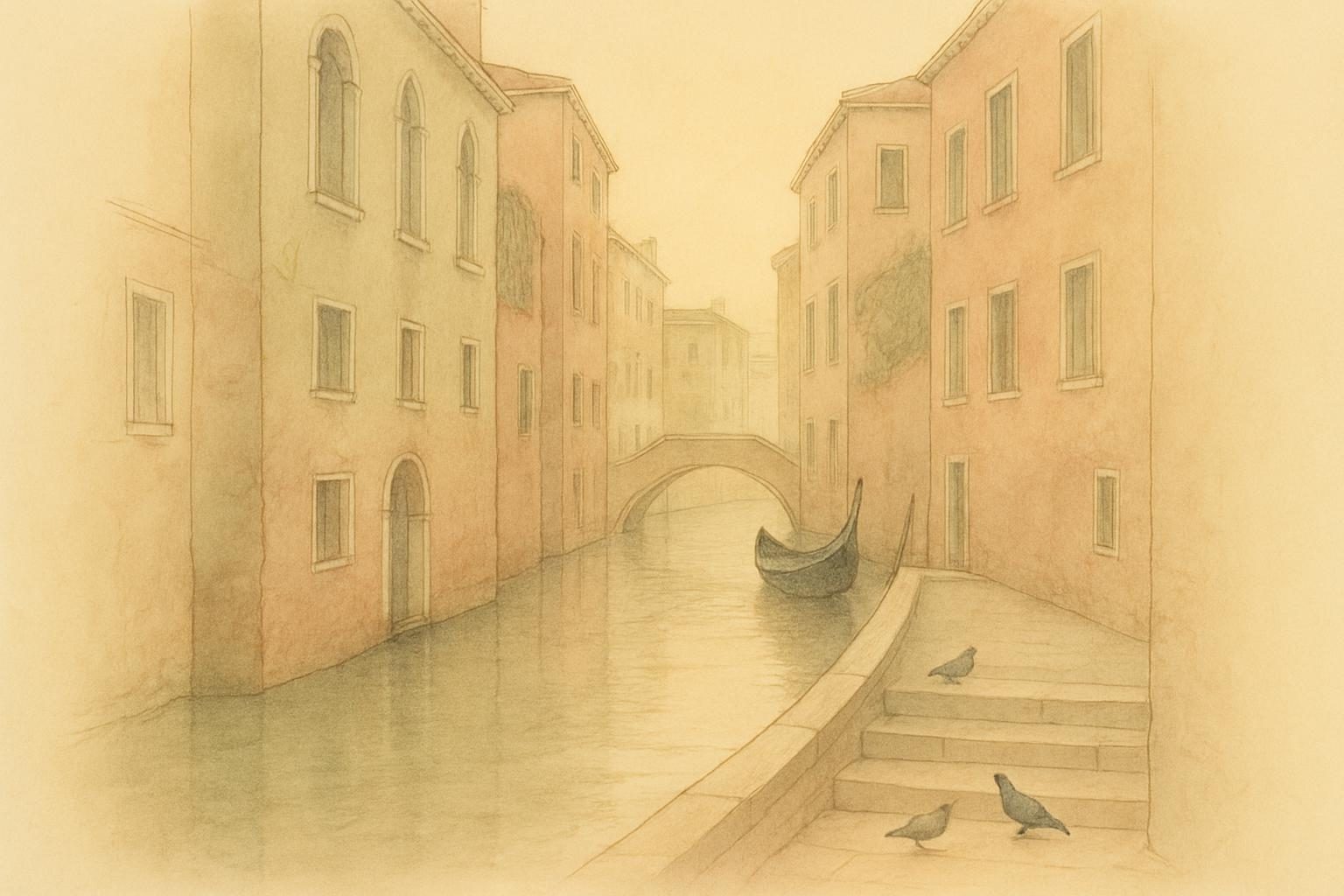
Tourist cities are beginning to draw boundaries around visits. Welcoming was assumed to be a virtue; now the quieter question is how it can coexist with everyday life.
Anyone who has walked Venice's narrow lanes may remember being carried over a bridge by the holiday-morning crowd. In 2024, the city began experimenting with an entry fee for day visitors. More significant than a few euros was the shift toward counting tourists. Tourism once seemed something to welcome without condition. Now it is being treated as something to manage and sometimes limit.
Around the same time, Barcelona announced plans to phase out tourist-apartment licences over several years. Residents said they could no longer live in their own city. Rising rents, local shops replaced by visitor-oriented businesses and night-time noise change daily life's texture in ways statistics cannot fully convey. Amsterdam has restricted new hotel construction while debating fewer cruise calls. Reports vary on precise figures and policies may change; the broad direction is what matters here.
This is not simply opposition to tourism. Tourism remains a major source of income and employment for many cities. Restrictions can mean fewer sales for a Barcelona restaurateur or Venice souvenir shop. Residents' living conditions and the interests of people dependent on visitors do not always align. The question is what kind of welcome, and for whom.
Historically, tourism itself is relatively new. The eighteenth-century Grand Tour was an educational journey for a wealthy few. Railways and aircraft widened participation in the twentieth century; budget airlines and short-term rental platforms lowered barriers further in the twenty-first. Visiting a city changed from a special experience to something people feel naturally entitled to do. Infrastructure and residents' feelings may not have kept pace.
We should also consider the content of welcome. Receiving visitors has long signalled an open society. The intuition that openness enriches a city still seems sound. But openness and unlimited access are different. A library open to everyone while asking for quiet may offer a structural parallel.
We need not hurry an answer. Nobody yet knows whether Venice's or Barcelona's experiments are right. They may be withdrawn or spread elsewhere. Travellers can at least pause to consider how much of a city's welcome they consume. Next time we visit, matching our steps a little to the pace of local life might change how that relationship looks.
FAQ
- What is overtourism?
- A rapid growth in visitors placing pressure on residents' lives, cultural landscapes or infrastructure. There is no single threshold, and it appears differently in different cities.
- Are these restrictions intended to reduce tourist numbers?
- Goals differ and may combine revenue, protection of residents' environment and redistribution of infrastructure burdens. They cannot simply be described as excluding visitors.
ABC Editorial Team
Editorial team