
World
The Ritual of Tipping: Another Unwritten Rule for Travellers
American hospitality comes into view ahead of the 2026 World Cup
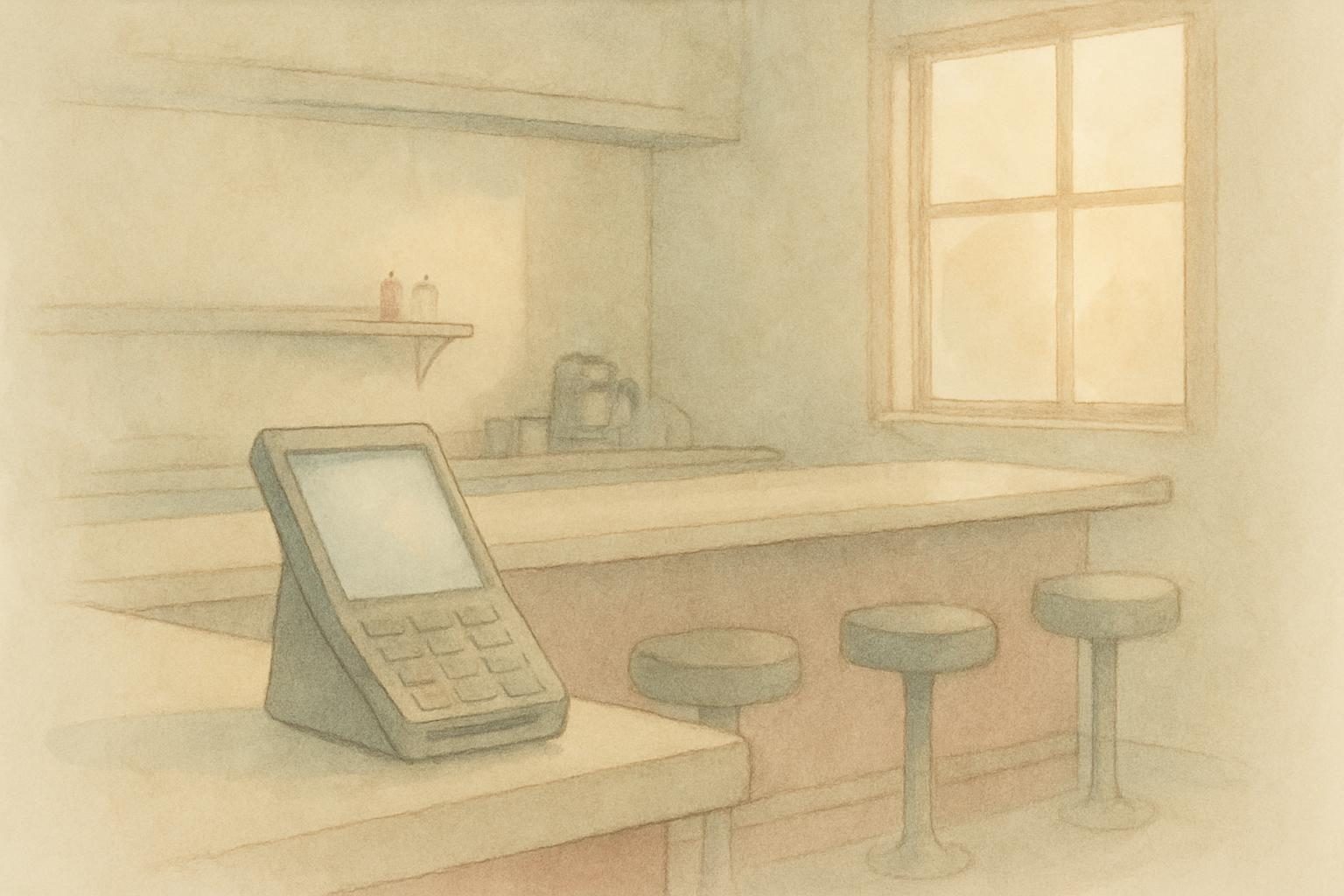
A payment terminal turns toward you: 18%, 20%, 25%. Ahead of the 2026 World Cup, visitors to the United States face another uncertainty: the unwritten ritual of tipping.
As you finish paying in an American restaurant or cafe, the server turns a terminal toward you. It displays automatically calculated options: 18%, 20%, 25%. You must choose before proceeding. Many travellers find this their first moment of uncertainty. Which percentage is correct? Is not tipping an option at all? Without an explanation, they must decide on the spot.
The United States, Canada and Mexico will jointly host the 2026 World Cup. The United States in particular is set to welcome more travellers than ever. Arriving with football's shared language, they may first encounter cultural difference away from the pitch, at a restaurant checkout. Few occasions have made tipping quite so visible.
Accounts of tipping's origins vary, but the American practice took its current shape partly through the restaurant industry's distinctive wage system. Federal law permits a lower minimum cash wage for tipped workers. State rules differ, but earnings have long depended substantially on tips. American tipping is thus more than an expression of thanks: it forms part of the wage system. Its foundations differ from those in Japan and many other Asian countries, where tipping is uncommon.
Payment terminals have reportedly expanded the situations in which tips are requested. A tip screen may appear even when buying a single coffee, a development called 'tip creep' in the United States. Some see fair compensation for workers; others criticize the unclear shifting of service costs to customers. Rather than one side being simply right, the relationship between wages, service and the customer's burden is still being negotiated.
We are tempted to reduce such uncertainty while travelling to a question of manners. Yet that brief payment encounter condenses a place's accumulated ideas about work, wages and interpersonal distance. Behind the decision to tip lies a long history of how a society understands service and rewards labour.
Casting the matter as right or wrong simplifies it and makes it less interesting. Perhaps we should first receive it as a local practice. Travel is also time for discovering that our own common sense is not the only answer. Between the excitement of stadiums in 2026, many visitors will pause before a small payment terminal. That, too, is a quiet part of visiting another place.
FAQ
- Must you always tip in the United States?
- It is not a legal obligation, but it is an established custom in many services, including restaurants and taxis. Not tipping may disadvantage the person providing the service.
- What percentage is customary?
- Around 15–20% is often cited for restaurants, but practices vary by establishment, region and service. There is no absolute standard.
- Why is tipping uncommon in Japan?
- Several factors include expectations that service is included in prices and differences in wage systems. Institutional differences matter more than a simple contrast in national character.
ABC Editorial Team
Editorial team