
Local
Choosing to Own the Connection
Community-run broadband and local control of infrastructure
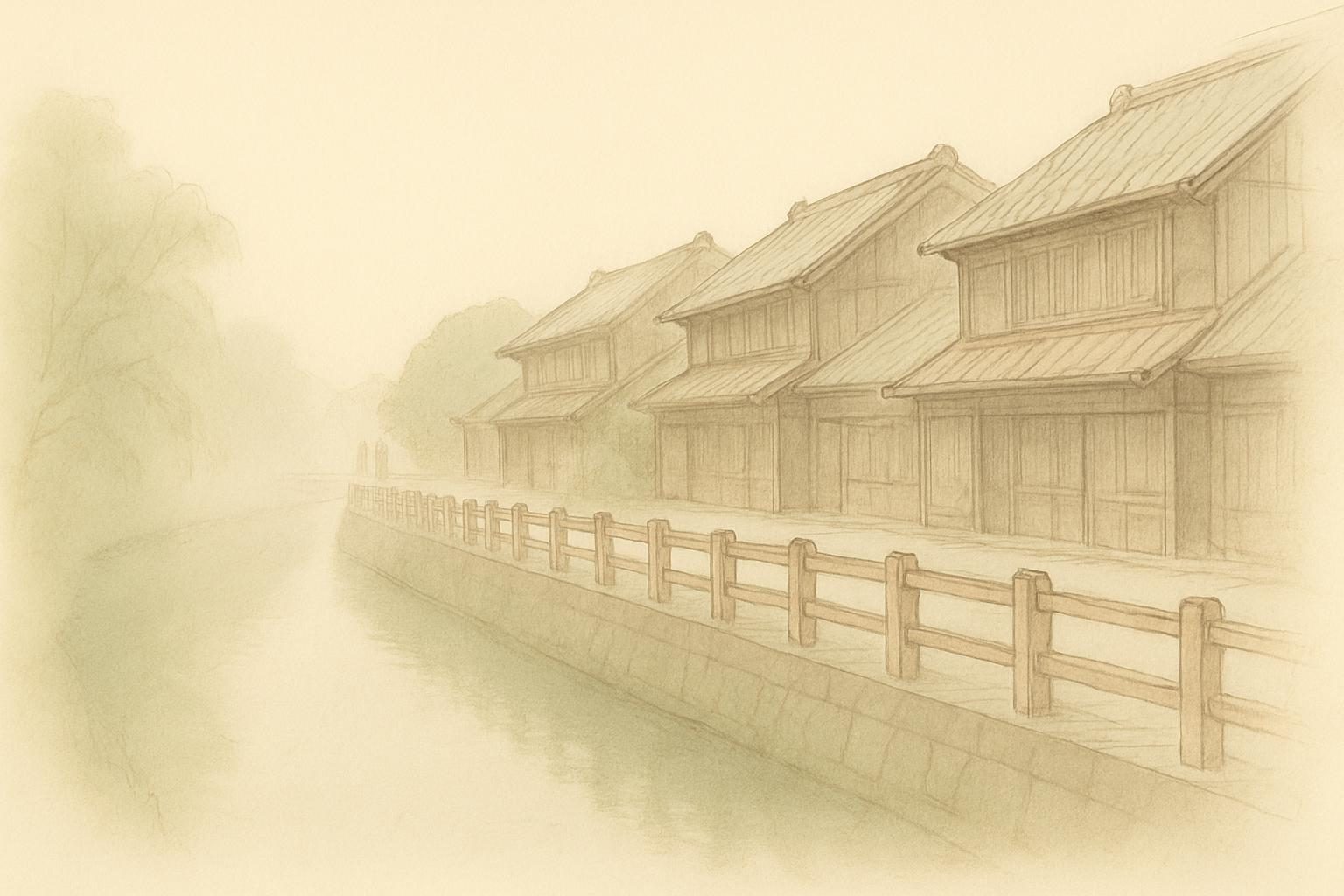
Residents, rather than government or major telecom companies, lay their own fibre. Such efforts are quietly growing at the world's margins. From Sawara, we consider what it means to own an invisible connection.
Unlike electricity or water, a communications connection is invisible. We rarely notice the lines inside walls, underground or overhead. Yet whether a single line reaches us can transform choices about work, children's learning and caring for elderly parents.
Around the world, particularly in sparsely populated areas, people are attempting to build this invisible infrastructure themselves. In rural America, established providers have historically delayed investment where it does not pay. Municipalities and cooperatives tired of waiting have reportedly built fibre networks of their own. Small resident-funded broadband organizations are also said to exist in parts of northern and eastern Europe. Their scale is modest, but the idea is shared: if waiting will not bring it, own it ourselves.
Japan also has a history of cable television cooperatives providing local information infrastructure. Communities with poor terrestrial reception, often in mountainous regions, began by erecting shared antennas. Many subsequently took on communications roles. Where market logic alone cannot reach, residents cooperate to run a line. This is not a new idea, but a path rural Japan has repeatedly chosen.
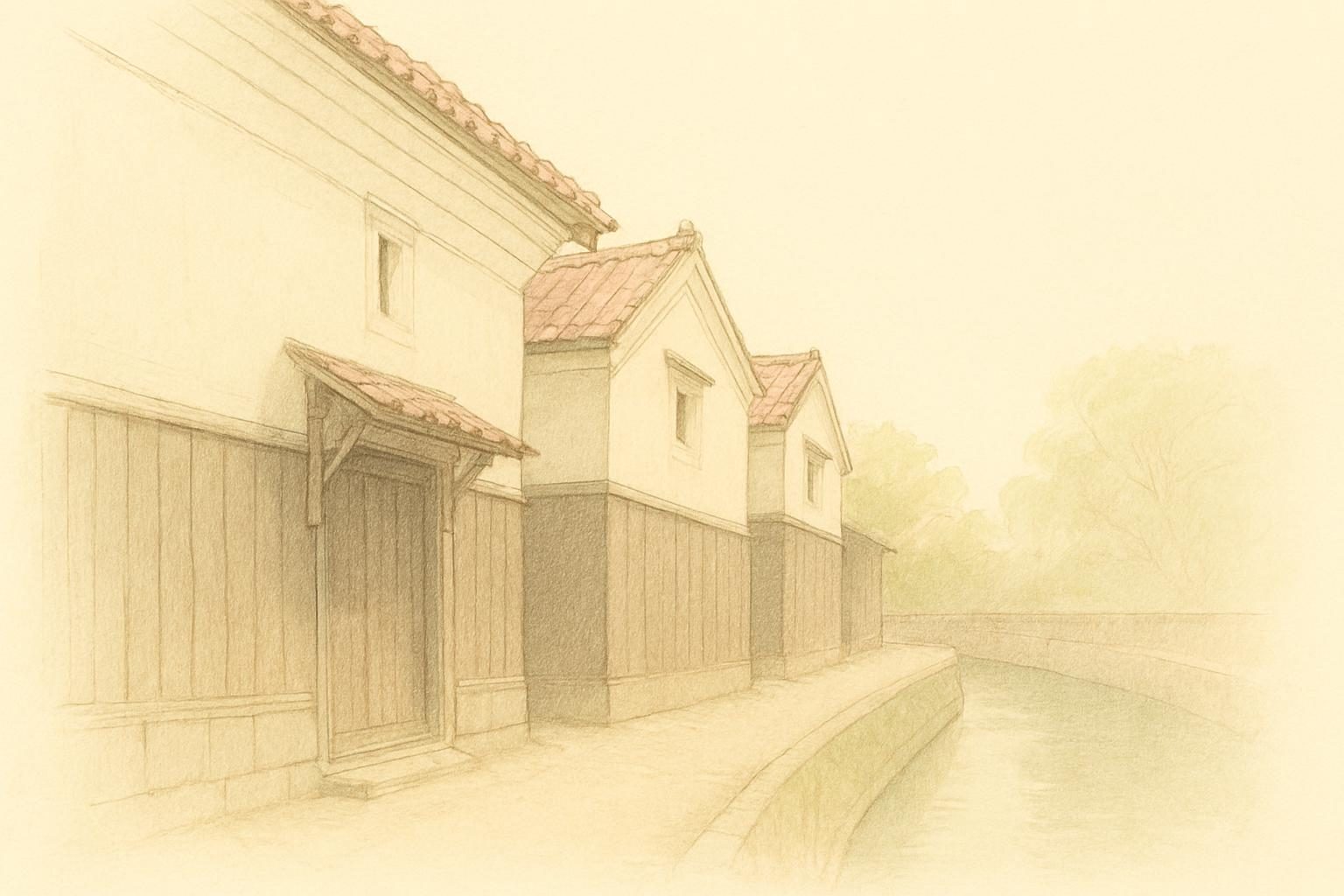
Walking through Sawara, one meets a similar structure. The streets along the Onogawa River were not preserved solely by official direction. Merchant households chose to retain, repair and continue using their buildings. The Grand Festival may be similar. Floats, music and skills have been handed down by neighbourhoods contributing their own money and labour, rather than simply being managed by someone else. Before calling it cultural heritage, we might call it shared property residents have continued to hold.
Choosing to own a network touches the same underlying question: whose infrastructure is it? Efficiency alone makes connections to sparsely populated places unattractive. Yet someone must bear the cost if people are to continue living there. Government, companies or residents themselves? There is more than one answer, and local circumstances change it.
Self-government need not mean doing everything alone. It may instead mean being able to choose what to entrust to outsiders and what to retain locally. As neighbourhoods decide who sustains a festival, perhaps communities may also choose who sustains their networks. There is no settled answer. I think about it while considering the history of repairing Sawara's townhouses.
FAQ
- How does community-run broadband work?
- Municipalities or resident cooperatives fund and operate networks such as fibre, building and maintaining them instead of major providers. Models differ by country and locality.
- Are there Japanese examples?
- Cable television cooperatives established to receive broadcasts in places such as mountain communities have also taken on communications infrastructure roles.
- What connects Sawara and broadband?
- There is no direct link. The parallel concerns residents maintaining shared property, as in preserving streets and organizing festivals.
ABC Editorial Team
Editorial team