
Local
What the Space beneath the Tracks Teaches a Town
Not unused space, but space not yet used
Railway viaducts long sheltered the city's gaps: warehouses and bicycle parking. As cafes and skateparks take their place, the question of how to treat spare space also reaches towns such as Sawara.
When a railway is built, a shadow forms beneath the tracks: the space under a viaduct. It was once a warehouse, bicycle parking or a dim passage. A by-product of the main event rather than a protagonist in urban planning, it seemed to hover without quite belonging to anyone.
Its treatment has changed over the past decade or more. Examples such as BONUS TRACK in Shimokitazawa show shops and bookshops creating places where people linger. At Akihabara's 2k540, artisan workshops stand side by side; elsewhere in central Tokyo, spaces have become skateparks or climbing facilities. Long, low-ceilinged and sheltered from rain: supposed weaknesses become character through use. Broadly, cities have begun reconsidering their spare spaces as resources.
Yet this may not be a straightforward success story. Regenerating railway spaces also serves operators' property strategies. Some reports describe profitable tenants being chosen before local residents are heard. Using spare space always raises the question of whose space it is. Behind new bustle, people who sought quiet may lose somewhere to belong.
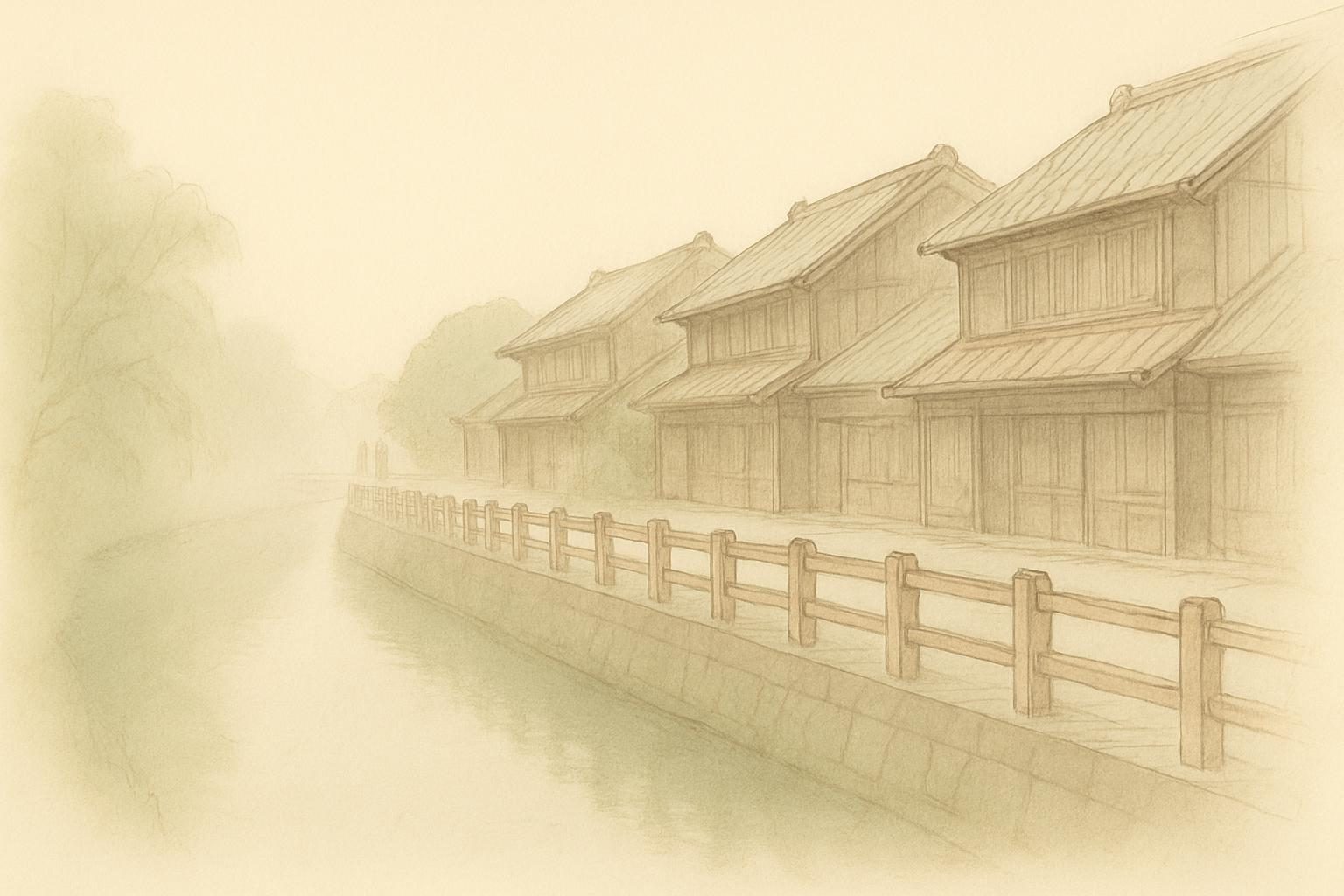
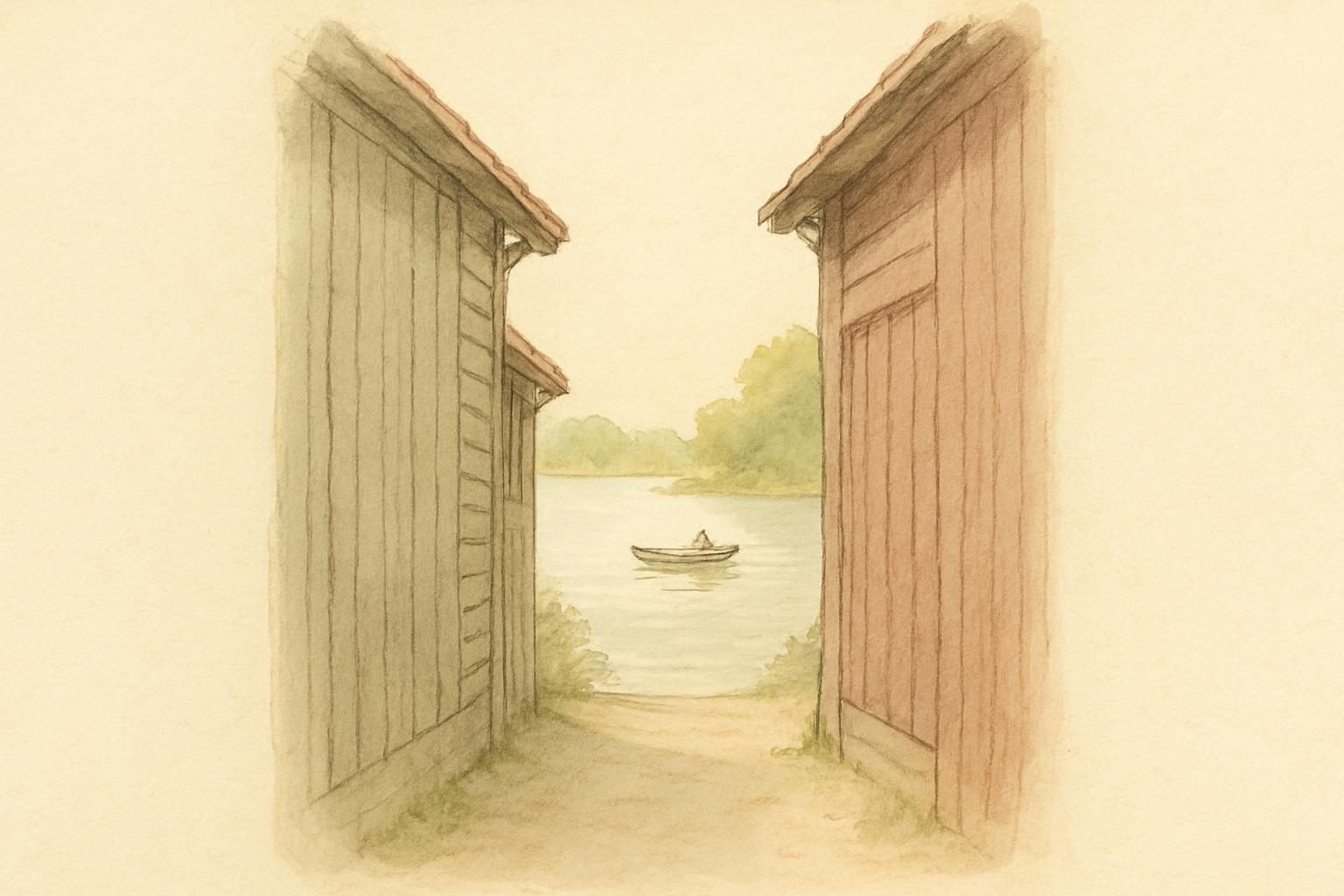
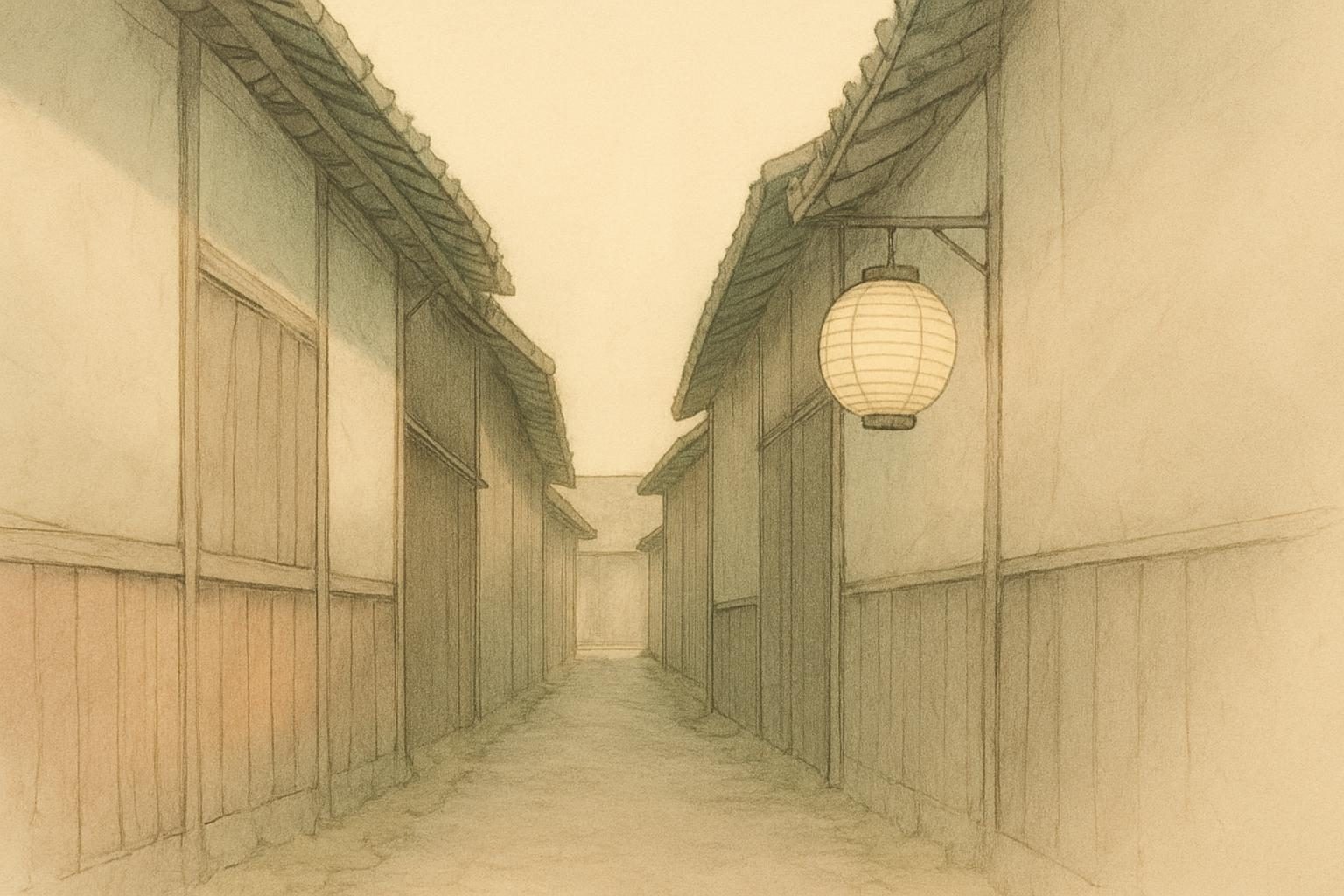
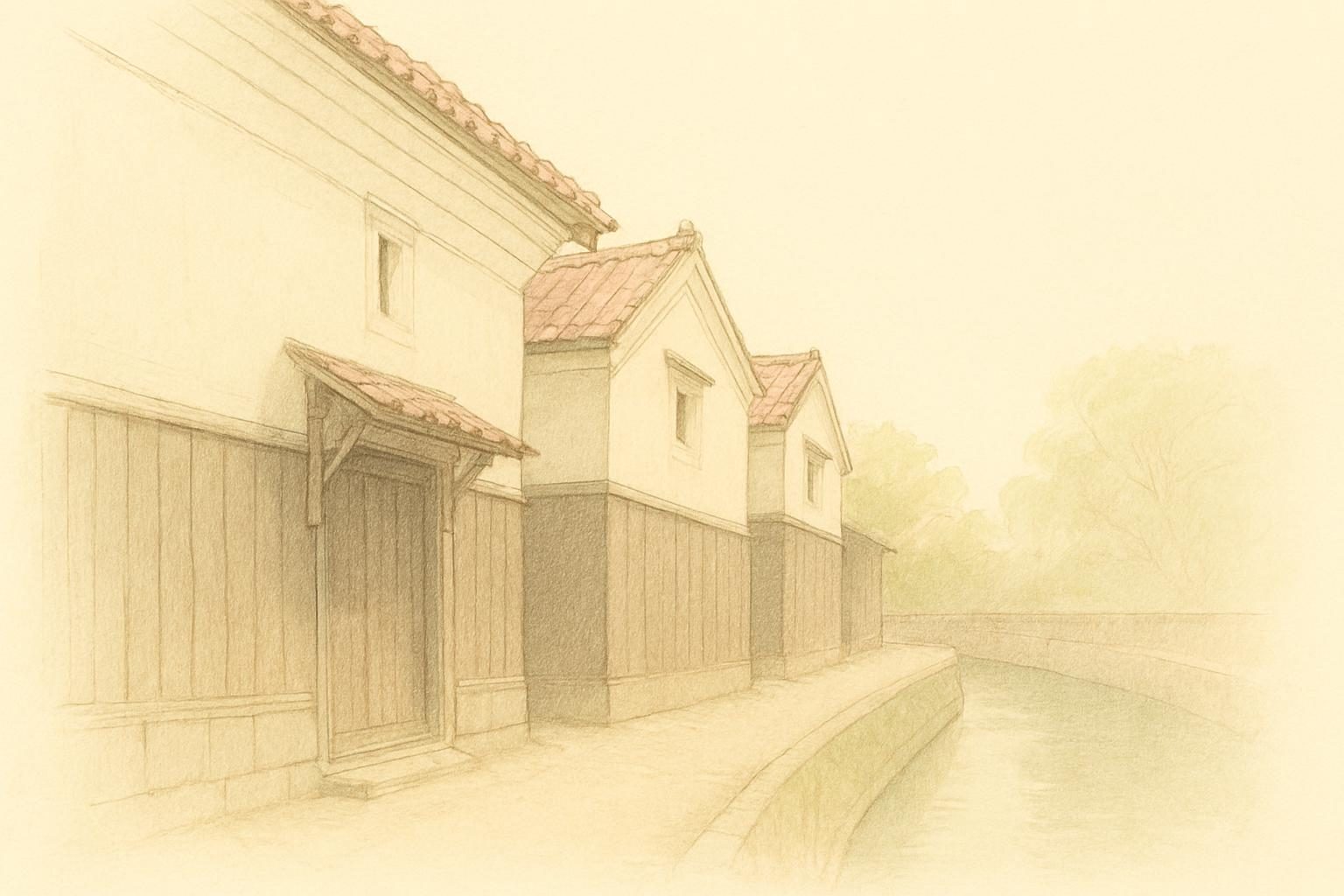
Sawara has no such viaduct spaces. But walking through town with spare space in mind reveals a similar structure: narrow lanes between storehouses, stepped embankments along the Onogawa and squares usually serving as parking. These back routes rarely appear on tourist maps. Because their uses are not fixed, their character changes with the season and time of day.
Sawara's Grand Festival may be the clearest example. Streets used ordinarily by cars become a stage for several days. Power lines are temporarily removed to accommodate the floats, and homes open their verandas. Roads, normally rigid infrastructure, soften during the festival. This, too, makes spare space into a resource. Unlike urban redevelopment, it emerges each year through local agreement rather than an investor's decision.
Making a resource of spare space may not mean filling an empty place. It may mean asking whose voices enter a space released from its prescribed use. The answers differ between railway spaces and Sawara's festival streets, but the questions resemble each other. Perhaps a town's gaps should first be listened to, before they are filled.
FAQ
- Is railway-space regeneration a nationwide trend?
- It is occurring particularly in cities, but approaches differ by place and railway operator. It cannot be assumed to be uniform nationwide.
- Does Sawara have spaces beneath elevated railways?
- Not those spaces themselves. Lanes between storehouses and streets transformed by festivals serve comparable functions.
ABC Editorial Team
Editorial team