
The Bridge
An Invisible Bridge, Built by Digging
Cambodian soil, a Canadian treaty and Japanese practical work
Bridges usually span water. Removing danger hidden in the ground can also create a quiet connection. Three countries' patient involvement with Cambodia's minefields.
When we hear bridge-building, we imagine something visible: a stone bridge across a river, a sea route or an interpreter linking languages. Other bridges are quieter and take longer. Removing dangers buried beneath the ground, one by one, is such work.
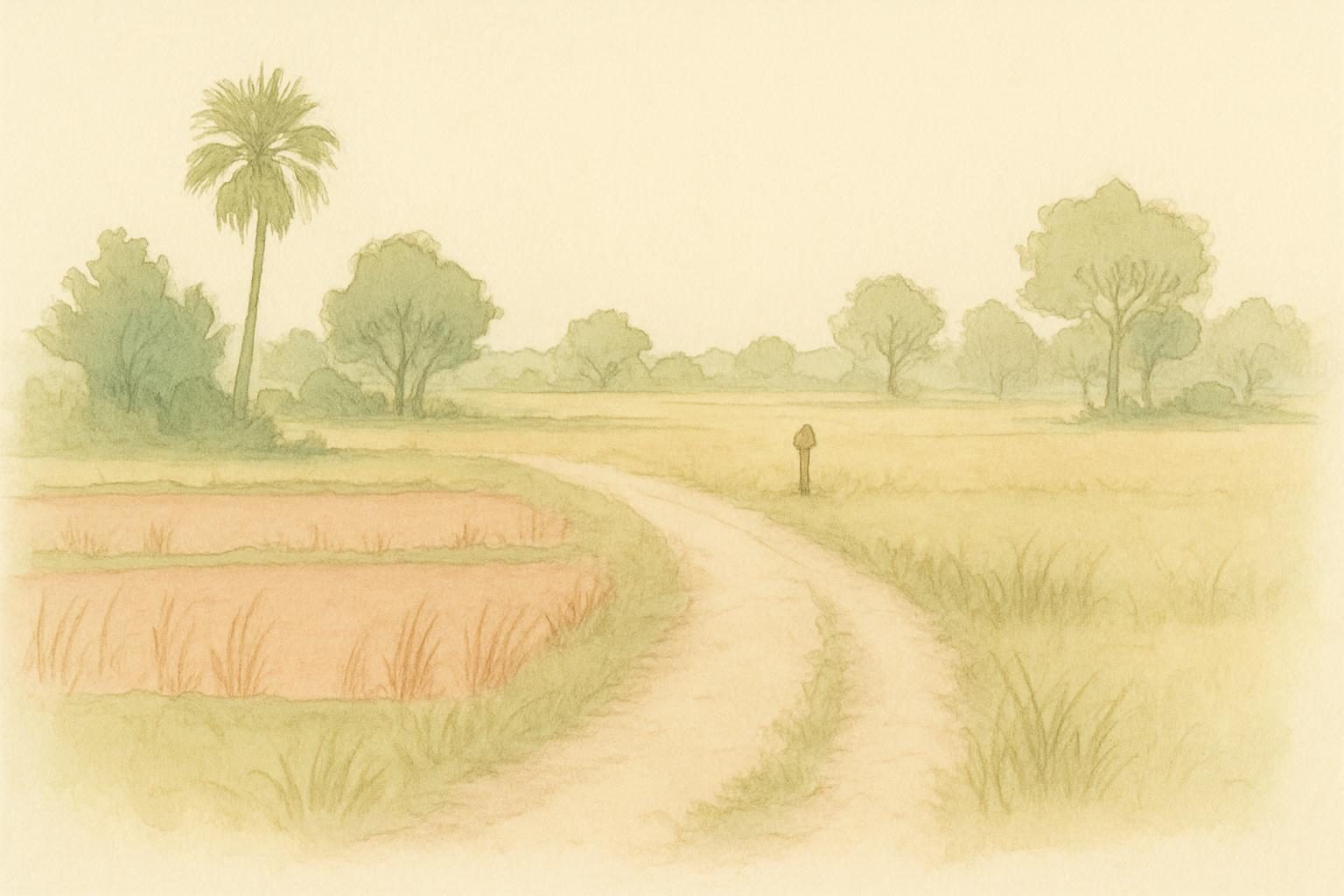
Landmines laid during Cambodia's civil war and the Khmer Rouge era remain. An exact surviving count is difficult because clearance continues and conditions change yearly. Danger beneath fields and school routes has long shadowed daily life: a meadow for children, a field for cattle. The unseen has repeatedly stopped people's feet.
Distant Canada has a part in this issue. In 1997, a treaty banning the use and production of antipersonnel mines was adopted in Ottawa, Canada's capital: the Ottawa Treaty. No single country's diplomacy moved the world alone. Many countries, NGOs and survivors' voices came together. Yet Ottawa's place in the name records a city chosen for patient negotiations and persistent dialogue.
A treaty does not itself remove a mine. People must dig, sweep detectors and check, one by one. Japan has a role here. Organizations including the Japan Mine Action Service, JMAS, have provided technical and financial assistance in Cambodia. There are few dramatic press conferences and little news coverage. Still, cleared land can again grow crops and carry children safely to school.
The country helping create a treaty, the country bringing clearance skills and the country living with danger: their relationship is no dramatic story. It is an accumulation of unshowy, patient cooperation. Perhaps this is what building bridges means: not waiting for people to cross, but slowly making somewhere they can cross.
Landmines and unexploded ordnance remain problems elsewhere, including Ukraine and other conflict zones. Skills and experience accumulated in Cambodia are reportedly being passed on. The least spectacular work may reach furthest. What seems distant from our own lives forms part of the patient chain supporting many ordinary, peaceful days.
FAQ
- Have all Cambodia's mines been removed?
- No. Clearance continues, and giving a complete count of remaining mines is difficult.
- What is the Ottawa Treaty?
- An international treaty adopted in Ottawa in 1997, banning antipersonnel mine use, production and possession.
- What assistance has Japan provided?
- NGOs such as the Japan Mine Action Service have offered clearance training and financial cooperation.
ABC Editorial Team
Editorial team