
Markets
The World's First Futures Market Was in Osaka's Rice Warehouses
Dojima Rice Exchange and the origins of a legend about candlestick charts
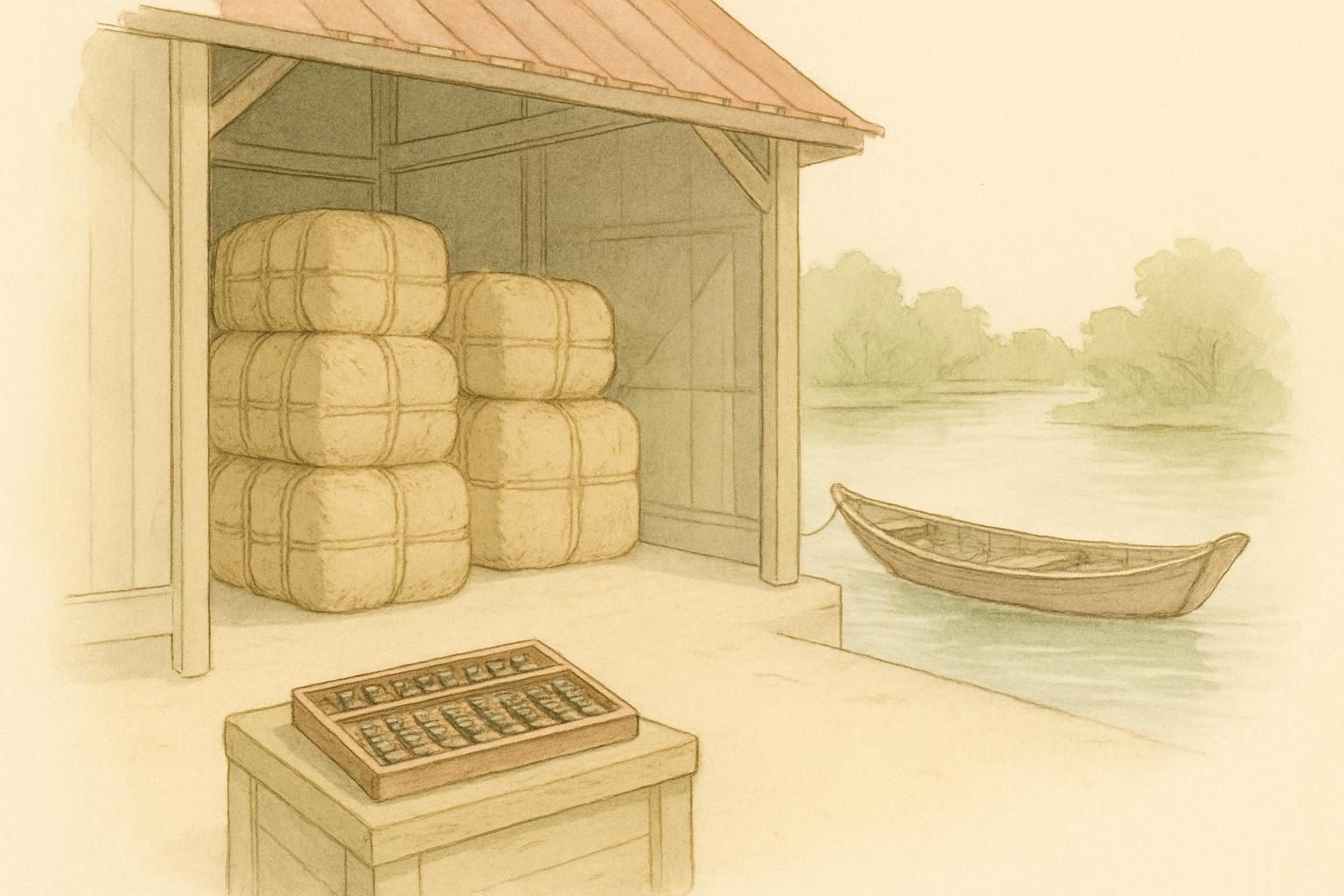
Futures trading may bring Chicago or New York to mind. Yet its early form could be found beside a river in Osaka.
Mention futures trading and many people picture the bustle of Chicago or New York. Yet an early model of an organized futures market is said to have existed in Edo-period Osaka, beside the river at Dojima.
In 1730, the shogunate officially recognized the Dojima Rice Exchange. Domains brought tax rice to their Osaka warehouses, where rice bills representing the right to collect it were traded. Trading eventually developed into choai-mai, transactions that did not involve physical delivery. The rice bales stayed in the warehouses while prices moved. The structure was very close to what we now call futures. Dojima is often cited as the world's first organized futures exchange.
Why rice? Samurai stipends were paid in rice, but everyday living required money. When rice prices moved, domain finances and samurai dinner tables shook with them. The urgent need to agree a price in advance gave rise to an invention ahead of its time. Before a market was a place for speculation, it was a way to share uncertainty. That order is easily forgotten.
Another legend follows Dojima: that the candlestick chart was invented by the trader Munehisa Homma of Sakata in Dewa Province. More recently, however, some have suggested that candlesticks took their present form only from the Meiji period onward. Stories that assign an origin to one genius are often a little too neat. Market tools usually take shape gradually, passing through many hands.
Even so, the idea of viewing price movements as contrasting light and dark columns seems to have grown around Japan's rice markets. Turning rows of numbers into something the eye can read: what someone attempted beside a river lined with warehouses three centuries ago is not so far from what we do at our screens today.
Disclaimer: This piece explores markets as history, culture and psychology. It is not investment advice and does not recommend buying or selling any financial product. Make decisions at your own discretion.
AABC Editorial Team
Editorial team